


In early 2024, the AI landscape was dominated by a singular approach to progress. Frontier AI development continued to require massive compute clusters and billion-dollar training runs, with only a handful of institutions able to participate meaningfully in advanced AI progress.
The results speak for themselves: GPT 4o, Gemini 2 & 2.5, Claude 4 Opus & Sonnet, Grok, Veo 3 and the list goes on. Progress owing to scale has driven extraordinary AI ability and adoption.
Nevertheless, we believed the AI landscape in 2024 to be over-indexed to scale, with most of the money in AI spent “fighting the last war.”
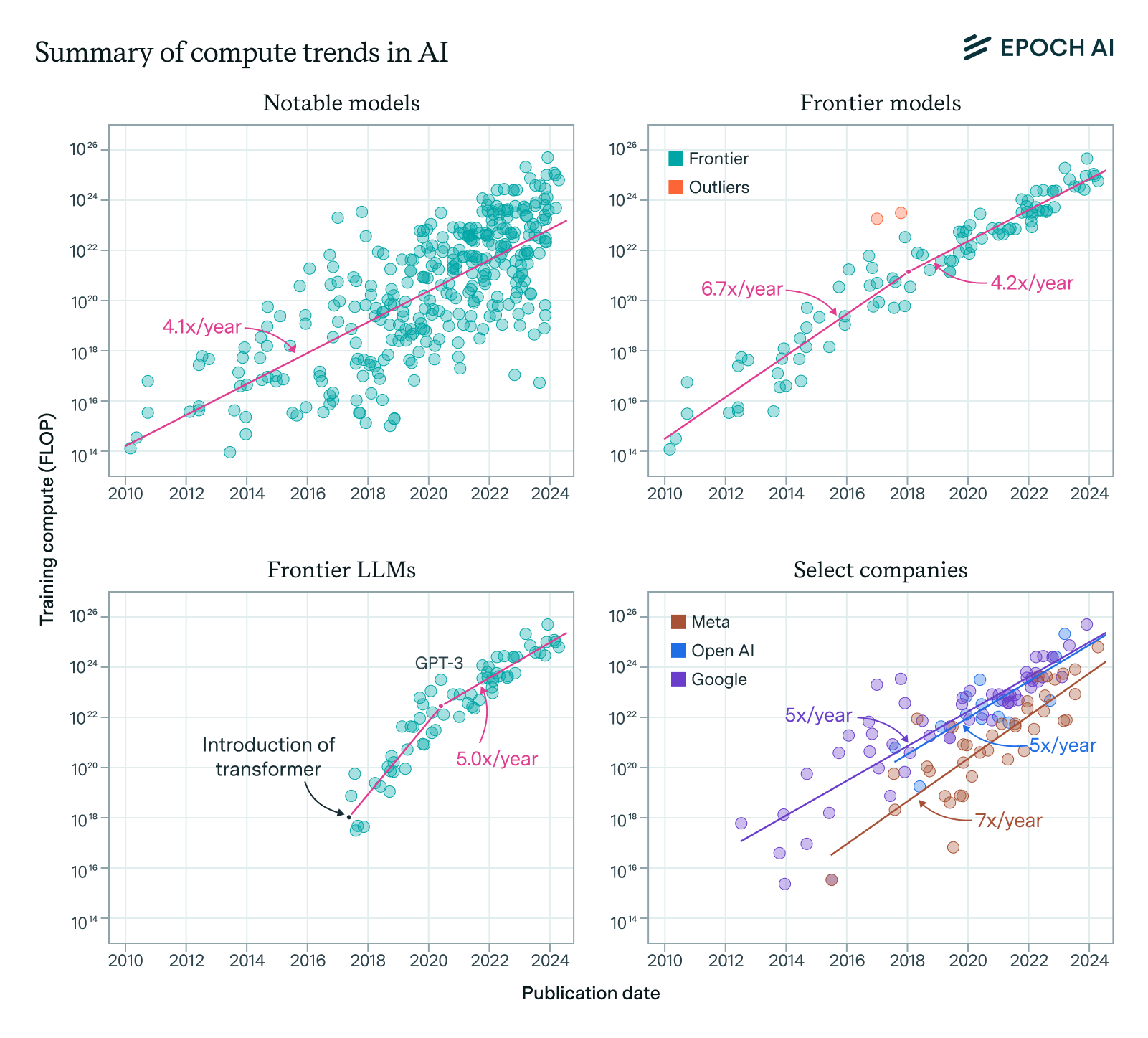
Markets naturally chase what’s been successful in the past (read: more GPUs, more data, more dollars), but our investment thesis reflected a different assessment: scaling would persist, but constraint-conscious innovation would emerge.
AI efficiency was an undervalued – and underinvested – opportunity. We positioned ourselves for what we expected to be an inevitable evolution: the MACHA stack.
The Precedent: NVIDIA & Sun Microsystems
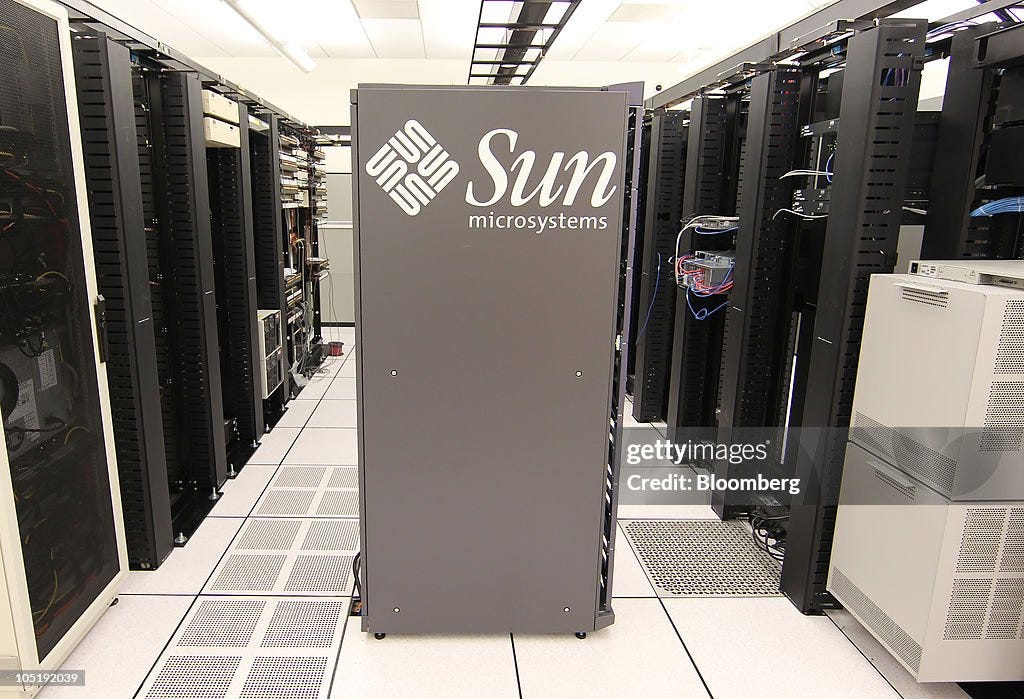
At Sun Microsystems, I witnessed firsthand how open-source innovation on commodity hardware could eventually displace seemingly unassailable proprietary systems. Sun had pioneered technologies like Java and dominated internet infrastructure during the dot-com boom, but it struggled to adapt when the industry shifted toward lower-cost, more flexible alternatives.
The parallels to today's AI infrastructure landscape – with NVIDIA's dominance of proprietary hardware and software stacks – continue to be instructive.
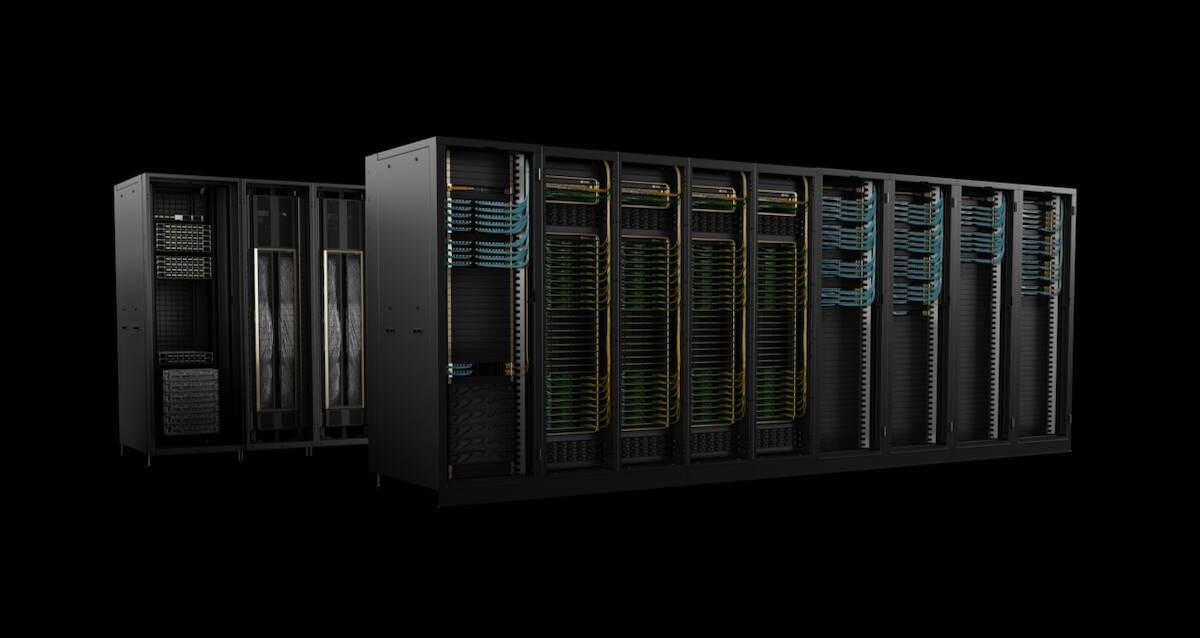
Exogenous constraints like energy costs, regulatory frameworks, and supply chain reliability continue to be primary variables in AI infrastructure decisions. Trump’s administration, for example, falls squarely in this category. His chaotic tariff policies are disrupting markets, and the “Big Beautiful Bill” is impacting everything from government subsidies to AI regulation. In this context, efficiency, reliability, and independence matter most – not performance at all costs.
As such, the smartest money in AI is anticipating the next wave of innovation, and the next breakthroughs will come from algorithms, not hardware. Algorithms and mechanisms that permit “good-enough” models to run on hardware accessible to cost-conscious market participants will be the base layer upon which the most valuable applications of the next decade will be built.
When the Paradigm Shifted
DeepSeek's R1 model release in January of this year was a strong early validation of our thesis. By achieving frontier-level performance using mixture of experts architectures, aggressive quantization, and reinforcement learning techniques while consuming a fraction of the compute resources many considered necessary, DeepSeek demonstrated that the scaling orthodoxy contained significant inefficiencies – and that algorithmic improvement could add significant value.
Just as Moore's Law had progressed through discrete algorithmic and architectural breakthroughs rather than smooth, constant scaling, AI progress will advance through mathematical ingenuity rather than just brute force computation.
Relational Technology & A Renewed Importance of Privacy
Most now concede that AI is a new platform shift akin to the internet, mobile, and cloud computing. AI adoption is accelerating at an unprecedented pace, but this wave differs fundamentally from previous platform shifts like mobile or social media.
While those eras extracted value from user data with little incentive for users to share more, AI creates a relational dynamic: the more you give, the better it performs. This powerful feedback loop drives users to share more personal data willingly, while platforms are all too eager to collect it.

By shifting intelligence to the edge – where it runs on billions of devices in real time – AI infrastructure can serve critical functions that require preserving privacy by design. Local, offline models allow for secure healthcare, finance, and personal use cases without violating user trust.
Open-source models and modular tooling enable customization, transparency, and global innovation. In a system where this architecture is implemented, AI doesn't need to know everything about people in the cloud.
This privacy-preserving approach aligns with the efficiency themes we've been tracking. Edge inference reduces latency, lowers bandwidth costs, and eliminates the need to transmit sensitive data to remote servers. The same architectural decisions that make AI more cost-effective also make it more private – a convergence that suggests broad adoption potential.
The infrastructure is emerging to support this shift. Distributed compute networks are unlocking global markets for training and inference. Peer-to-peer protocols are enabling secure, verifiable execution. And open-weight models like LLaMA and BLOOM are igniting an ecosystem of developers no longer reliant on billion-dollar labs. AI is becoming not just cheaper and more accessible, but more resilient, customizable, and independent.
Distributed Intelligence
The current wave of AI adoption depends on massive, centralized compute and opaque value structures. It mirrors the Tower of Babel – powerful but fragile, monolithic, and controlled by few. In contrast, decentralized systems are optimized for distribution. Their primitives enable peer-to-peer compute markets, verifiable execution, stablecoin payments for agent services, and privacy-preserving architectures. Projects like Prime Intellect, Stripe's agent-ready infrastructure, and distributed training networks are demonstrating convergence in practice.
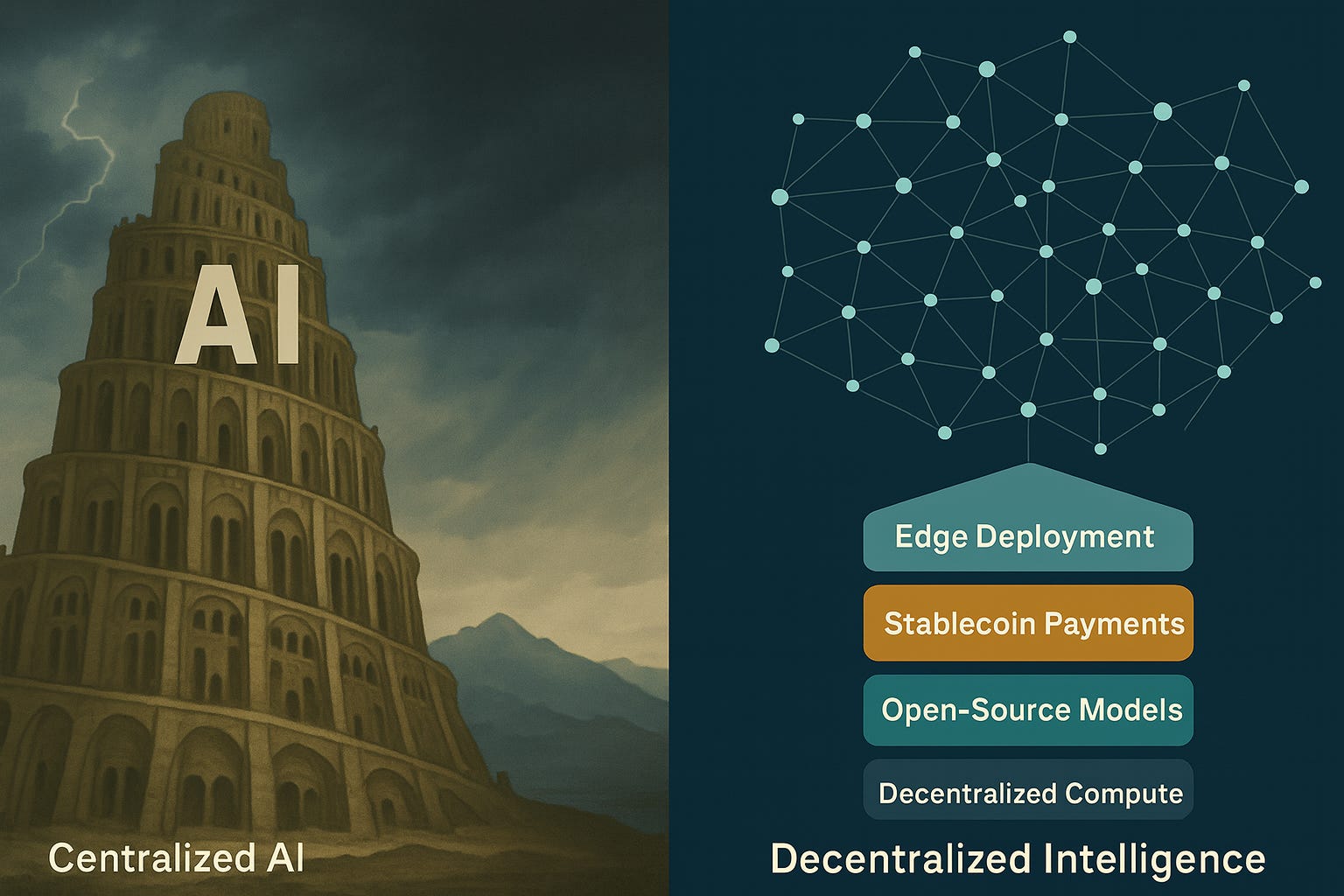
What we're witnessing is a new stack for intelligence: decentralized compute as the base layer, open-source models as the engine, stablecoins and decentralized consensus as coordination tools, and edge deployment as the delivery mechanism. These components provide the missing pieces that AI needs to scale beyond trillion-dollar labs – to become cheaper, more personal, and more globally accessible. It's a synthesis of computation, coordination, and markets that is composable by design.
Looking Forward
Moving into 2025, we expect these trends to continue rather than plateau. The efficiency improvements demonstrated by DeepSeek represent the beginning of a sustained period of algorithmic innovation rather than an isolated breakthrough. The research community, no longer operating under the assumption that only massive compute clusters can produce meaningful results, is likely to pursue efficiency improvements with increased focus.
The regulatory environment continues evolving in ways that favor distributed architectures. The EU AI Act's compliance requirements for high-risk AI systems create advantages for companies that can demonstrate verifiable, auditable AI operations – capabilities that cryptographic infrastructure enables. Data localization requirements and export control regimes make edge-heavy, distributed architectures increasingly attractive relative to centralized alternatives.
We anticipate the emergence of what we term the "compute continuum" – coordinated orchestration of AI workloads across everything from data center clusters to consumer devices. This architectural shift requires new software layers, new coordination mechanisms, and new economic models. The companies building these enabling technologies are positioning themselves to capture value as this transition develops.
The agent economy, which spent much of 2024 in early stages, appears ready for practical implementation. Enterprise adoption of agent frameworks is accelerating, while the technical infrastructure for autonomous economic actors – wallet management, verifiable delegation, programmable governance – is maturing. The convergence of these trends suggests that 2025 may see AI agents transition from demonstration to deployment.
Our core insight continues to find validation: that open source development, distributed architectures, and efficiency-driven innovation create compounding advantages over closed, scale-dependent approaches for an expanding range of use cases. This doesn't diminish the continued importance of frontier scaling – the largest, most capable models will likely continue requiring massive resources. Rather, it suggests that the vast majority of AI applications can be served more efficiently, creating opportunities for companies that optimize for constraints rather than assuming unlimited resources.
As we continue to deploy capital, our conviction in these themes has strengthened. The infrastructure evolution in AI represents an ongoing reality that's reshaping how intelligent systems are built, deployed, and monetized. The companies and technologies that recognize and adapt to this transition will likely define the next phase of AI.
In Part 2 of this review we will dive into our portfolio companies and the progress they have been making this year.